With 5 Breathing Techniques to Use During Meditation at the forefront, get ready to dive into a world of relaxation and mindfulness like never before. From diaphragmatic breathing to alternate nostril breathing, these techniques will take your meditation game to the next level!
Breathing techniques play a crucial role in enhancing the meditation experience, promoting relaxation, and fostering mindfulness. Let’s explore the different methods you can incorporate into your practice for a more profound and peaceful meditation session.
Introduction to Breathing Techniques
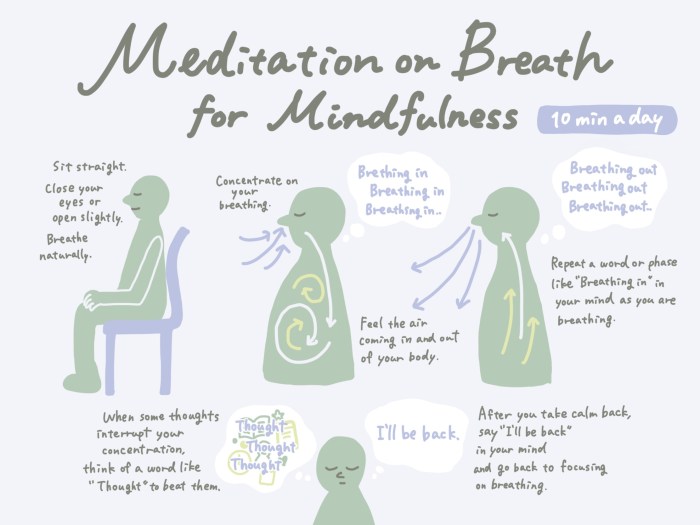
Breathing techniques play a crucial role in enhancing the meditation experience by helping individuals connect with their breath, focus their minds, and achieve a state of mindfulness and relaxation. Proper breathing during meditation can have a profound impact on one’s overall well-being and mental clarity.
The Importance of Breathing Techniques
Breathing techniques are fundamental in meditation as they serve as an anchor for the mind, allowing individuals to stay present and focused during their practice. By paying attention to the breath, one can cultivate a sense of calm and awareness, reducing stress and anxiety levels.
- Deep Breathing: Inhaling deeply through the nose, filling the lungs with air, and exhaling slowly through the mouth can help relax the body and quiet the mind.
- Equal Breathing: Balancing the inhale and exhale by counting the duration of each breath can promote a sense of equilibrium and harmony within the body.
- Diaphragmatic Breathing: Engaging the diaphragm to breathe deeply into the belly can stimulate the parasympathetic nervous system, inducing a state of relaxation and calmness.
By incorporating various breathing techniques into your meditation practice, you can deepen your connection with the present moment, increase self-awareness, and promote a sense of inner peace.
The Connection Between Breathing, Mindfulness, and Relaxation
Breathing is intricately linked to mindfulness and relaxation during meditation. When individuals focus on their breath, they are able to quiet the chatter of the mind, let go of distractions, and immerse themselves in the present moment. This heightened awareness of the breath can lead to a state of deep relaxation and inner tranquility.
- Conscious Breathing: Bringing conscious awareness to each inhalation and exhalation can foster a sense of mindfulness, allowing individuals to observe their thoughts and emotions without judgment.
- Rhythmic Breathing: Establishing a steady rhythm in breathing patterns can create a sense of flow and coherence in the mind-body connection, promoting relaxation and stress relief.
- Guided Breathing: Following guided breathing exercises or visualizations can enhance the meditative experience by providing a structured framework for deepening relaxation and cultivating focus.
Diaphragmatic Breathing
Diaphragmatic breathing, also known as belly breathing or deep breathing, is a breathing technique that involves the contraction and expansion of the diaphragm muscle to fully engage the lungs. This technique differs from regular shallow breathing, which primarily uses the chest and shoulders to breathe.
How to Practice Diaphragmatic Breathing
To practice diaphragmatic breathing, follow these steps:
- Find a comfortable and quiet place to sit or lie down.
- Place one hand on your chest and the other on your abdomen.
- Inhale slowly and deeply through your nose, allowing your abdomen to rise as you fill your lungs with air.
- Exhale slowly through your mouth, feeling your abdomen fall as you release the air.
- Focus on the sensation of your breath moving in and out of your body.
- Repeat this process for several minutes, gradually increasing the duration of each inhale and exhale.
Benefits of Diaphragmatic Breathing
- Calms the mind and body by triggering the relaxation response in the nervous system.
- Reduces stress and anxiety levels by promoting a sense of calm and well-being.
- Improves oxygen flow in the body, leading to increased energy and focus.
- Strengthens the diaphragm muscle, which can improve overall respiratory function.
Equal Breathing Technique: 5 Breathing Techniques To Use During Meditation
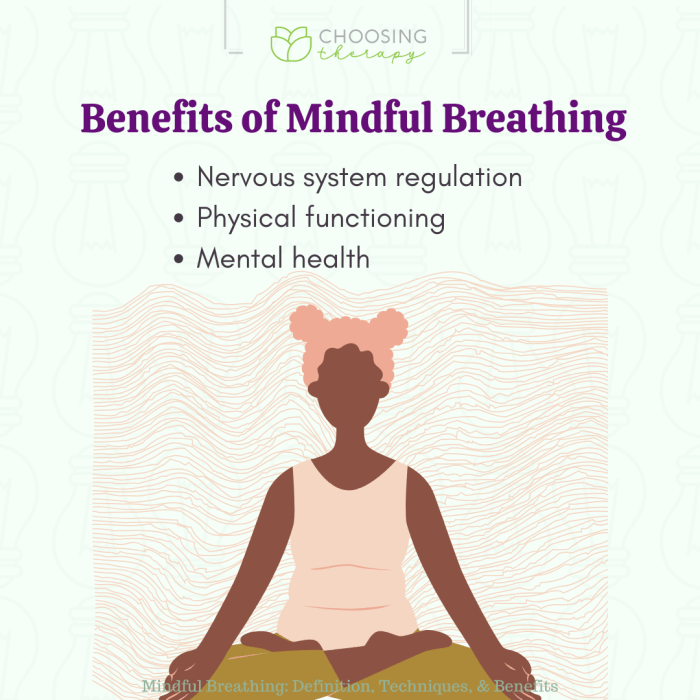
Breathing techniques play a crucial role in meditation, helping to calm the mind and achieve a state of inner peace. One such technique is equal breathing, which focuses on creating balance and harmony through rhythmic breathing patterns.
Significance of Equal Breathing, 5 Breathing Techniques to Use During Meditation
Equal breathing involves inhaling and exhaling for an equal duration, promoting a sense of equilibrium and stability. This technique helps in synchronizing the breath with the body’s natural rhythm, leading to enhanced focus and clarity during meditation.
- Equal breathing can aid in reducing stress and anxiety levels by regulating the breath and calming the nervous system.
- By practicing equal breathing, individuals can cultivate a sense of mindfulness and presence in the moment, enhancing the overall meditation experience.
- This technique can also improve oxygen circulation in the body, promoting relaxation and a sense of well-being.
Ideal Ratio for Inhaling and Exhaling
In equal breathing, the ideal ratio for inhaling and exhaling is typically set at a count of 4. This means inhaling for a count of 4 and exhaling for the same count of 4, maintaining a steady and balanced breath cycle.
By following a 4:4 inhale-exhale ratio, individuals can establish a harmonious breathing pattern that promotes focus and inner balance.
Focus and Balance in Meditation
Equal breathing can serve as a powerful tool for achieving focus and balance during meditation sessions. By harmonizing the breath and bringing awareness to each inhale and exhale, practitioners can center themselves in the present moment and cultivate a sense of serenity and tranquility.
- Practicing equal breathing regularly can enhance concentration and mindfulness, allowing individuals to dive deeper into their meditation practice.
- Through the rhythmic flow of breath, equal breathing can create a sense of grounding and stability, helping individuals connect with their inner selves.
- By incorporating equal breathing into meditation routines, individuals can experience a greater sense of peace and clarity, fostering a deeper connection with the present moment.
Box Breathing Method
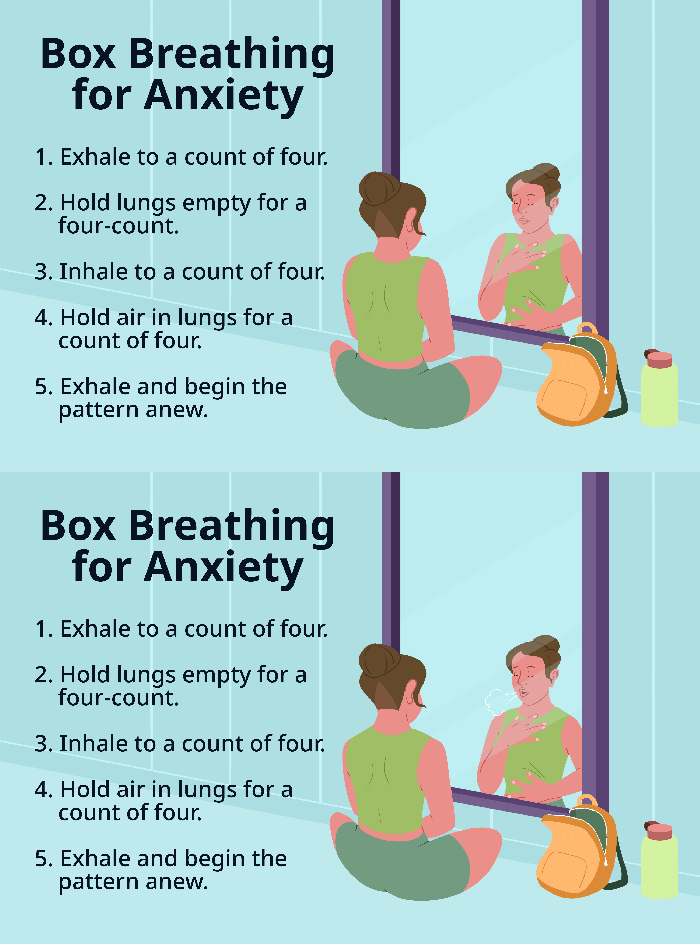
Box breathing, also known as square breathing, is a technique that involves a four-step process to regulate breathing patterns and promote relaxation. This method has its origins in ancient yogic practices and has been used for centuries to calm the mind and reduce stress.
Four-Step Process
- Inhale: Begin by taking a slow, deep breath through your nose for a count of four seconds.
- Hold: Once you have inhaled fully, hold your breath for another count of four seconds.
- Exhale: Slowly release your breath through your mouth for another count of four seconds.
- Hold: After exhaling completely, hold your breath again for a count of four seconds before beginning the cycle again.
Box breathing can aid in reducing stress and promoting relaxation by helping to regulate the autonomic nervous system, which controls our fight-or-flight response. By practicing this technique, individuals can achieve a sense of calm and focus, making it a valuable tool for managing anxiety and improving overall well-being.
Nadi Shodhana (Alternate Nostril Breathing)

Nadi Shodhana, also known as alternate nostril breathing, is a powerful breathing technique used in meditation to help balance the mind and body. This technique involves breathing through one nostril at a time, alternating between the left and right nostrils.
How to Perform Alternate Nostril Breathing:
- Sit comfortably with a straight spine and relaxed shoulders.
- Place your right thumb over your right nostril and inhale deeply through your left nostril.
- Close your left nostril with your ring finger, release your right nostril, and exhale fully.
- Inhale through the right nostril, then close it with your thumb and exhale through the left nostril.
- This completes one round. Continue for several rounds, focusing on your breath and maintaining a smooth, steady rhythm.
Benefits of Nadi Shodhana:
- Clears the mind and improves focus.
- Reduces stress and anxiety levels.
- Balances the energy flow in the body.
- Calms the nervous system and promotes relaxation.
- Enhances overall well-being and mental clarity.
Final Review
In conclusion, mastering these 5 breathing techniques can truly transform your meditation practice. By incorporating these methods into your routine, you can achieve a deeper level of focus, relaxation, and balance in both your mind and body. So, take a deep breath, let go of stress, and embrace the tranquility within.